


Subtotal: 107,750RWF
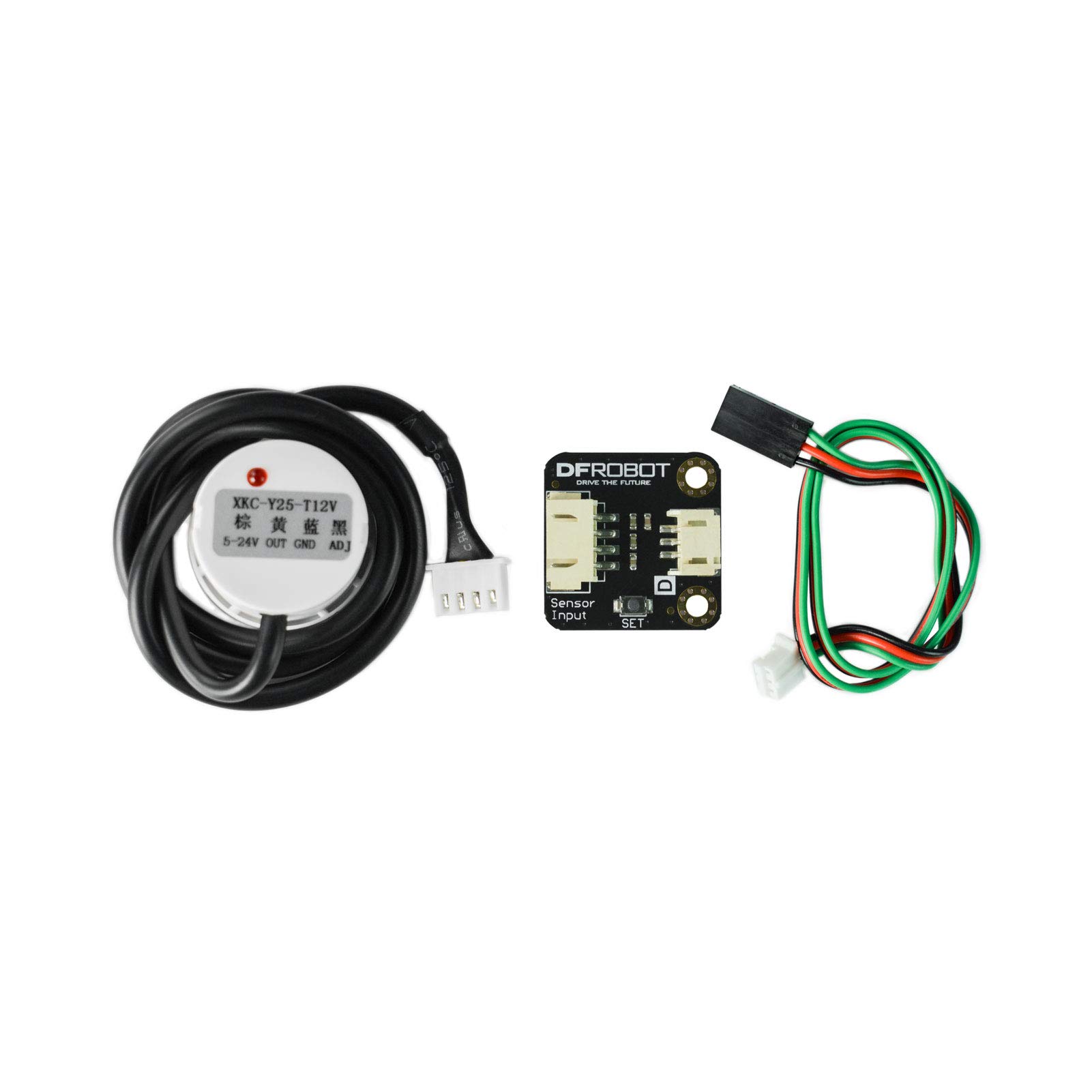
A non-contact digital water/liquid level sensor is a type of sensor that can measure the level of liquid in a tank or container without physically touching the liquid. It uses a non-contact method, such as ultrasonic or infrared technology, to determine the distance between the sensor and the liquid surface, and thus calculate the liquid level. These sensors are commonly used in water and wastewater treatment, industrial process control, oil and gas production, and agriculture applications due to their high accuracy, reliability, and ease of installation and maintenance.
A non-contact digital water/liquid level sensor is a type of sensor that can detect the level of liquid in a tank or container without physically touching the liquid. Instead, it uses a non-contact method, such as ultrasonic or infrared technology, to determine the distance between the sensor and the liquid surface, and thus calculate the liquid level.
The sensor typically consists of a transducer that emits a signal (sound waves or light pulses) towards the liquid surface and a receiver that detects the reflected signal. The time taken for the signal to travel to the liquid surface and back to the sensor is used to calculate the distance to the liquid surface. By continuously monitoring this distance, the sensor can determine the liquid level in real-time.
Non-contact digital water/liquid level sensors are commonly used in a variety of applications, including water and wastewater treatment, industrial process control, oil and gas production, and agriculture. They offer several advantages over traditional contact-based sensors, such as no risk of contamination or corrosion, no moving parts, and high accuracy and reliability.
Some non-contact digital water/liquid level sensors also come with additional features such as temperature compensation, self-cleaning capabilities, and wireless communication for remote monitoring and control. They are typically easy to install and maintain, making them a popular choice for many liquid level sensing applications.
Subtotal: 107,750RWF


Reviews
There are no reviews yet.