


Subtotal: 200RWF
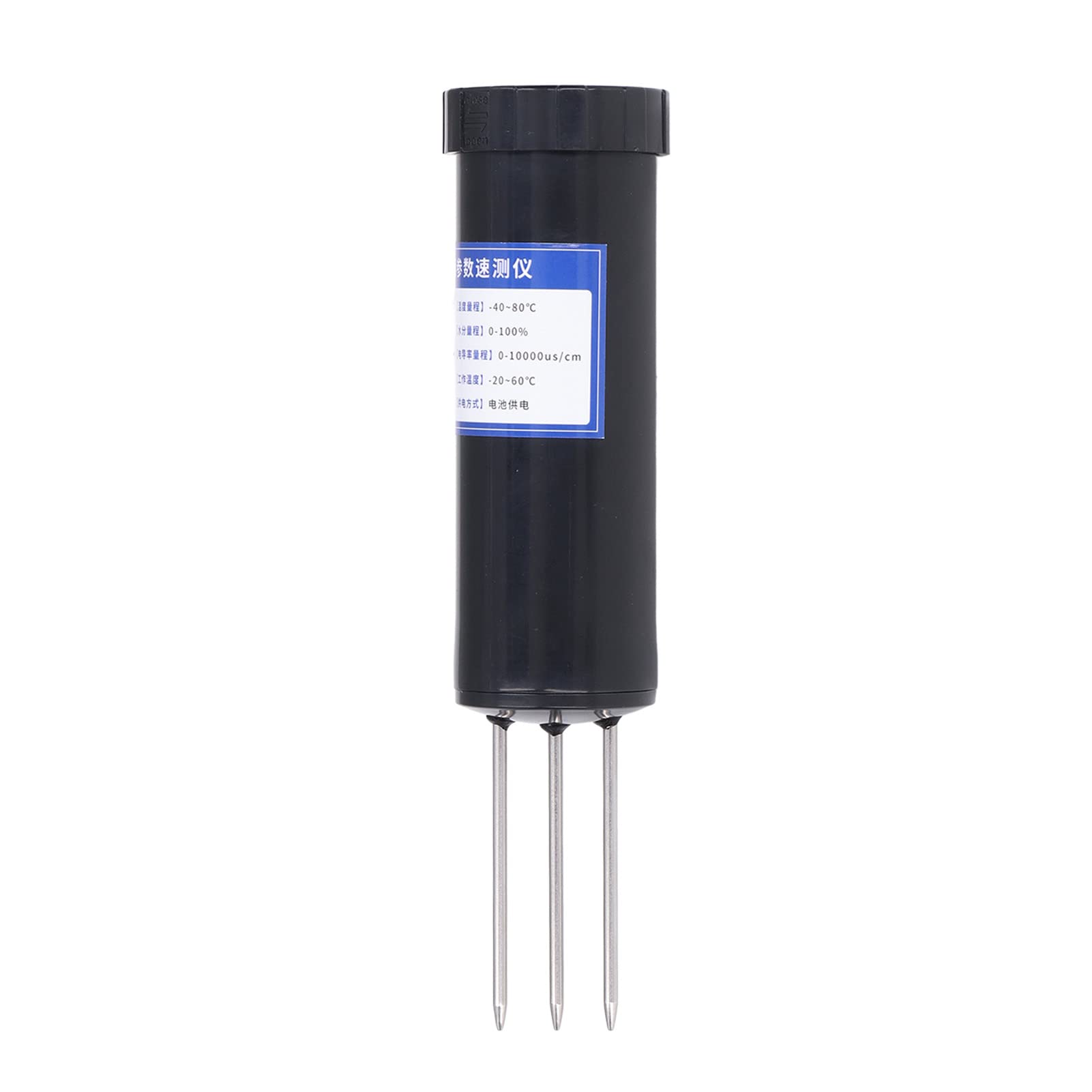
A soil nitrogen concentration sensor is a device used to measure the amount of nitrogen present in the soil. It typically consists of a probe that is inserted into the soil and contains an electrode that detects the concentration of nitrogen ions in the soil solution. The sensor’s output is displayed on a digital screen and can be used to optimize fertilization strategies and improve crop yields. Soil nitrogen concentration sensors are valuable tools for farmers and agricultural researchers, allowing for precise monitoring and management of soil fertility, leading to more efficient and sustainable agricultural practices.
A soil nitrogen concentration sensor is a device used to measure the amount of nitrogen present in the soil. Nitrogen is one of the essential nutrients for plant growth, and its concentration in the soil can affect plant growth and yield.
The sensor consists of a probe that is inserted into the soil to measure the concentration of nitrogen in the surrounding area. The probe contains an electrode that detects the concentration of nitrogen ions in the soil solution.
There are several types of soil nitrogen concentration sensors, including ion-selective electrodes, conductive sensors, and optical sensors. Ion-selective electrodes work by measuring the electrical potential difference between a reference electrode and a sensing electrode. Conductive sensors measure the soil’s electrical conductivity, which is related to the concentration of nitrogen ions in the soil. Optical sensors use light to detect the concentration of nitrogen in the soil.
The sensor’s output is typically displayed on a digital screen, which provides a reading of the soil nitrogen concentration. This information can be used to optimize fertilization strategies, which can increase crop yields and reduce fertilizer costs. The sensor can also be integrated into automated irrigation systems to provide real-time data on the soil’s nutrient status.
Here are some common specifications for a soil nitrogen concentration sensor:
Subtotal: 200RWF



Reviews
There are no reviews yet.