

Subtotal: 13,900RWF
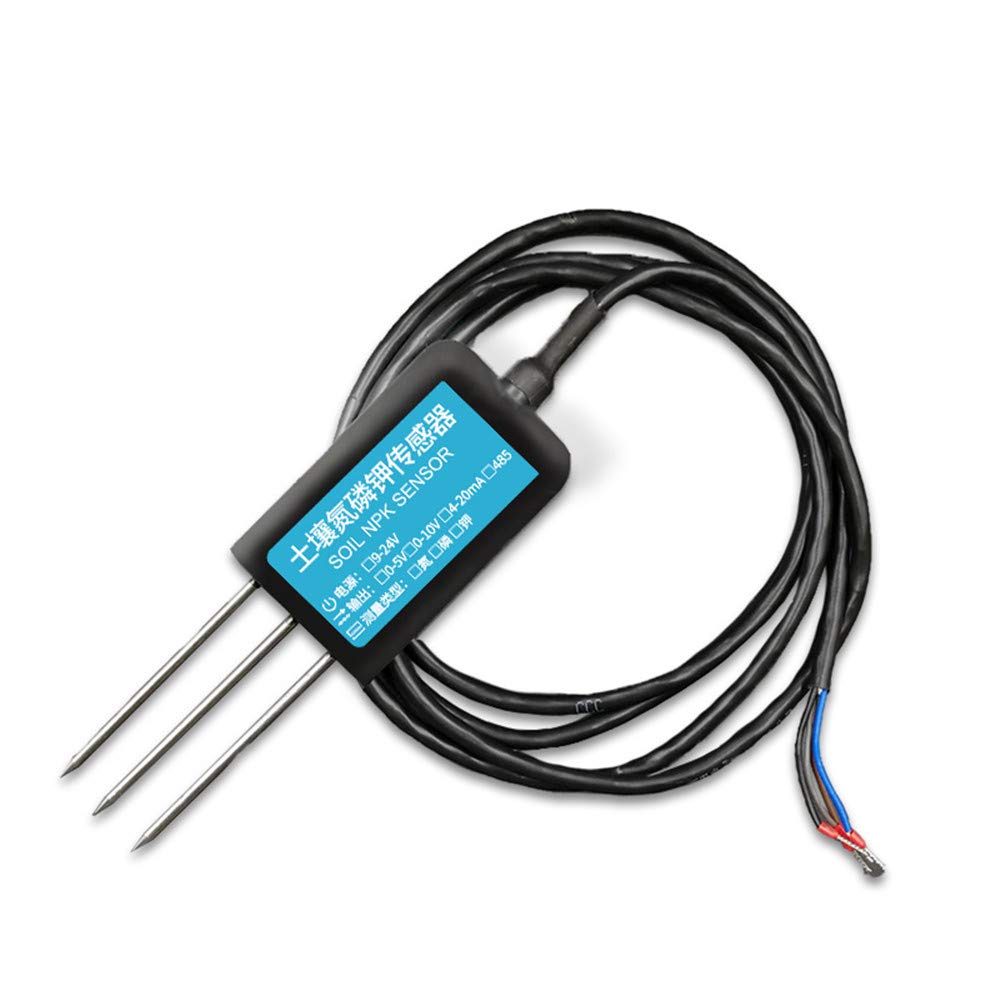
The RS485 Soil NPK Sensor is a device that measures the nutrient levels of soil, specifically Nitrogen, Phosphorus, and Potassium (NPK), which are essential for plant growth. It features an RS485 communication interface, which allows it to transmit data over long distances without significant signal degradation. The sensor is durable, accurate, and can be calibrated regularly to ensure precise measurements. It is an ideal tool for precision agriculture, allowing farmers and agricultural professionals to optimize crop yield and minimize fertilizer waste.
An RS485 Soil NPK Sensor is a device used to measure the nutrient levels of soil, specifically Nitrogen, Phosphorus, and Potassium (NPK), which are essential for plant growth. The sensor is equipped with an RS485 communication interface, which allows it to transmit data over long distances without significant signal degradation.
The sensor typically consists of a probe that is inserted into the soil, which is connected to a transmitter unit that processes the data and sends it over the RS485 interface. The transmitter unit may also have built-in data logging capabilities, allowing it to store data for later analysis.
The RS485 interface is a serial communication protocol that uses differential signaling to reduce noise and increase reliability over long distances. This makes the RS485 Soil NPK Sensor ideal for use in large agricultural fields or greenhouses, where multiple sensors may need to be connected over long distances to a central monitoring system.
The NPK measurements provided by the RS485 Soil NPK Sensor are critical for optimizing crop yield and minimizing fertilizer waste. By monitoring soil nutrient levels in real-time, farmers and agricultural professionals can adjust their fertilization strategies to ensure optimal plant growth and reduce the risk of nutrient deficiencies or excesses.
Here are potential specifications for an RS485 Soil NPK Sensor:
Subtotal: 13,900RWF

Reviews
There are no reviews yet.