
No products in the cart.

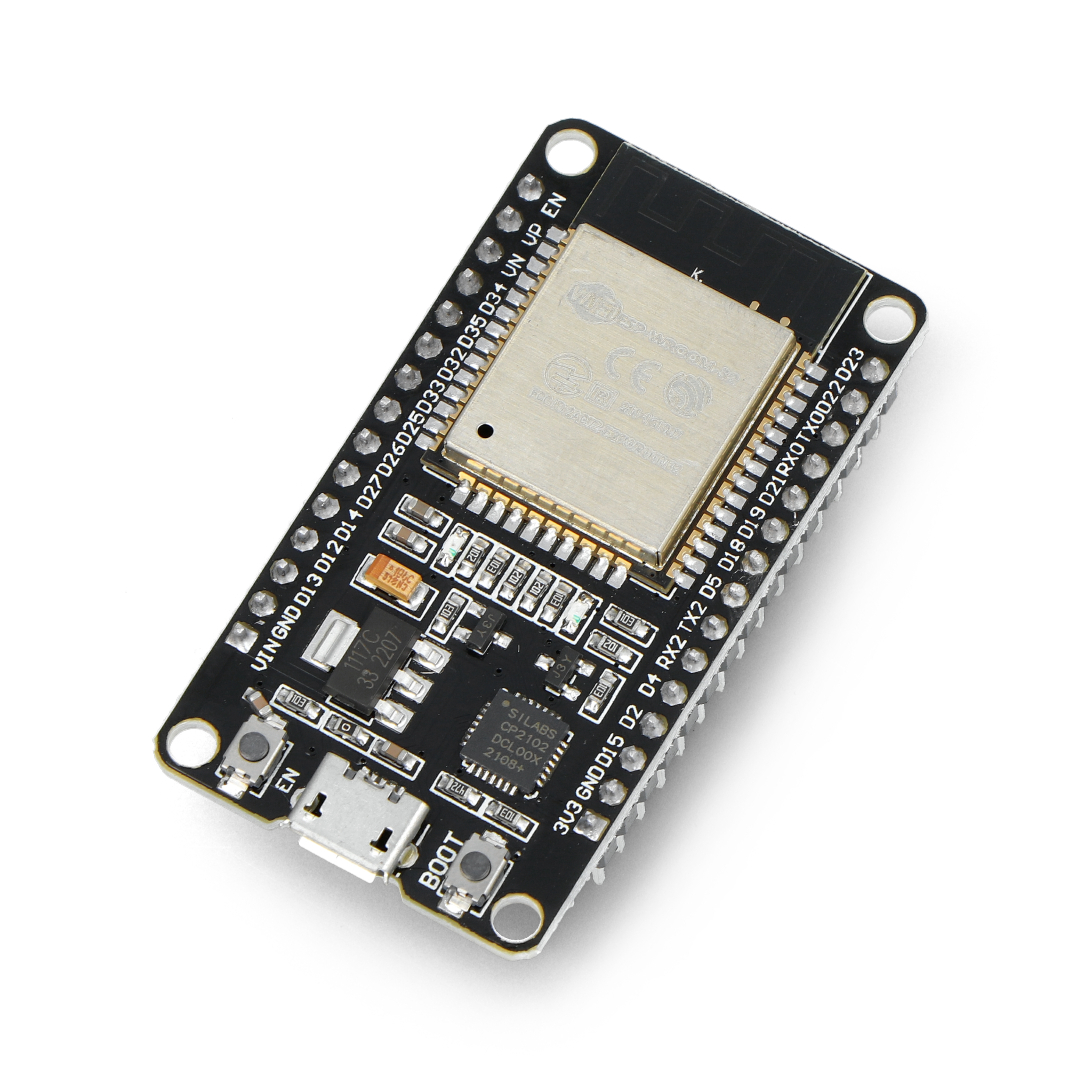
NodeMcu ESP8266 WIFI Internet Development Board
In Stock
11,000RWF
In Stock
The NodeMCU ESP8266 is a low-cost, open-source development board with built-in WiFi capabilities based on the ESP8266 chip. It operates at 3.3V, has 11 digital I/O pins, 1 analog input pin, a clock speed of 80 MHz/160 MHz, 4 MB flash memory, and supports 802.11 b/g/n WiFi. It can be programmed using Lua or the Arduino IDE with C++ and has built-in support for I2C, SPI, and UART.
Description
NodeMCU ESP8266 is a low-cost open-source development board with built-in WiFi capabilities, based on the ESP8266 chip. It is designed for Internet of Things (IoT) projects, allowing users to easily connect to a WiFi network and control devices connected to the board through the Internet. The board has an on-board microcontroller, flash memory, and various input/output pins for connecting to sensors, actuators, and other devices. It also supports programming in Lua, an interpreted scripting language, as well as in C++ using the Arduino Integrated Development Environment (IDE).
The NodeMCU ESP8266 development board has the following specifications:
- Microcontroller: ESP8266 (32-bit RISC microcontroller)
- Operating Voltage: 3.3V
- Digital I/O Pins: 11 (of which 4 can be used as PWM outputs)
- Analog Input Pins: 1
- Clock Speed: 80 MHz/160 MHz
- Flash Memory: 4 MB
- WiFi: 802.11 b/g/n
- Interface: USB 2.0 full speed (12 Mbps)
- Dimensions: 45mm x 30mm x 15mm
It also has built-in support for I2C, SPI, and UART protocols, allowing for easy integration with a variety of sensors and actuators. The board can be programmed using the Lua scripting language or with the Arduino IDE using the C++ programming language.


Reviews
There are no reviews yet.