
No products in the cart.
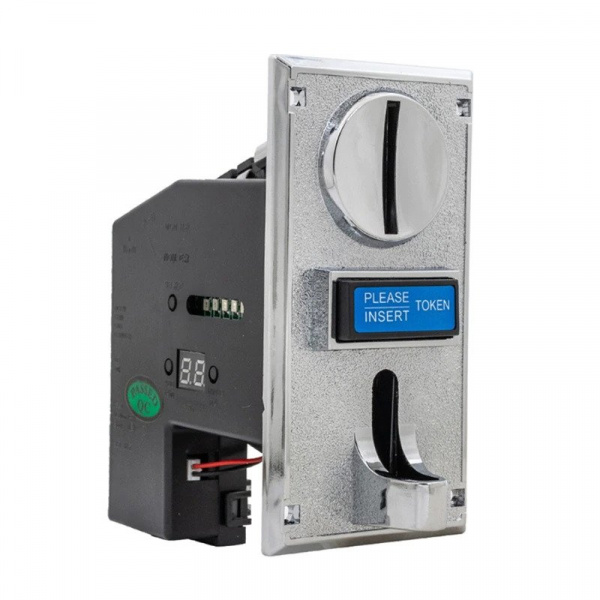
Coin Acceptor Sensor
In Stock
31,000RWF
In Stock
A Coin Acceptor Sensor is an electronic device used to accept and recognize coins of different denominations. It uses sensor technology to detect the physical attributes of a coin, such as its size, weight, and thickness. Once a coin is accepted, the device registers the payment and allows the customer to access the desired goods or services. Coin Acceptor Sensors are commonly used in vending machines, arcade games, and parking meters, among other payment systems.
Description
A Coin Acceptor Sensor is an electronic device that is designed to accept and recognize coins of different denominations. It is commonly used in vending machines, arcade games, parking meters, and other devices that require payment through coins.
The Coin Acceptor Sensor works by using a sensor mechanism that can detect the physical attributes of a coin, such as its size, weight, and thickness. Once a coin is inserted into the device, the sensor mechanism reads the physical properties of the coin and compares it to a pre-programmed database of acceptable coin types. If the coin matches the pre-programmed criteria, it is accepted and the device registers the payment.
Coin Acceptor Sensors can be programmed to recognize various currencies and coins of different denominations. They are highly accurate and reliable, and can handle a large number of coins per minute. Some models also include features such as anti-counterfeiting measures, which can detect and reject fake or invalid coins.
technical specifications for a Coin Acceptor Sensor:
- Acceptable coin types: The device is able to recognize and accept coins of various denominations and currencies.
- Coin diameter range: The device should be able to accept coins within a specific diameter range. For example, a range of 18mm to 31mm is common for many coin acceptors.
- Coin thickness range: The device should be able to accept coins within a specific thickness range. For example, a range of 1.2mm to 3.5mm is common for many coin acceptors.
- Coin material: The device is able to detect the material of the coins, such as copper, nickel, or zinc.
- Acceptance rate: The device have a high acceptance rate, typically above 95%.
- Coin validation time: The device is able to validate a coin within a few hundred milliseconds.
- Coin storage capacity: The device is able to store a certain number of coins before requiring emptying.
- Anti-counterfeit measures: The device include measures to detect and reject counterfeit coins, such as magnetic, conductivity, and visual authentication methods.
- Power supply: The device operate with a specified voltage, typically between 12V to 24V DC.
- Communication interface: The device have a communication interface such as a pulse or serial interface to communicate with the main system.
- Operating temperature: The device operate within a specific temperature range, typically between -10°C to 50°C.
- Durability: The device is durable and able to withstand frequent use and potential vandalism. It is constructed from metal or plastic materials.


Reviews
There are no reviews yet.